What Is a Jet Ski Bill of Sale?
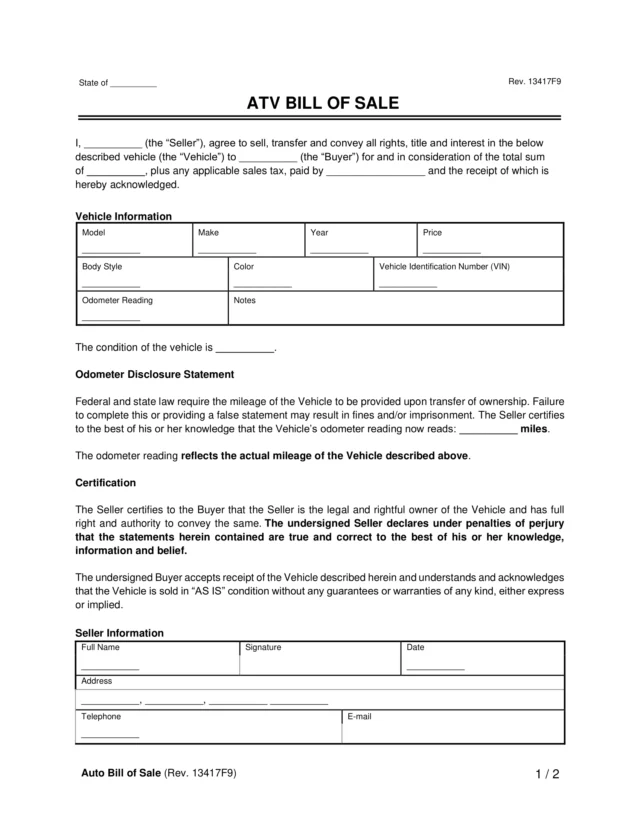
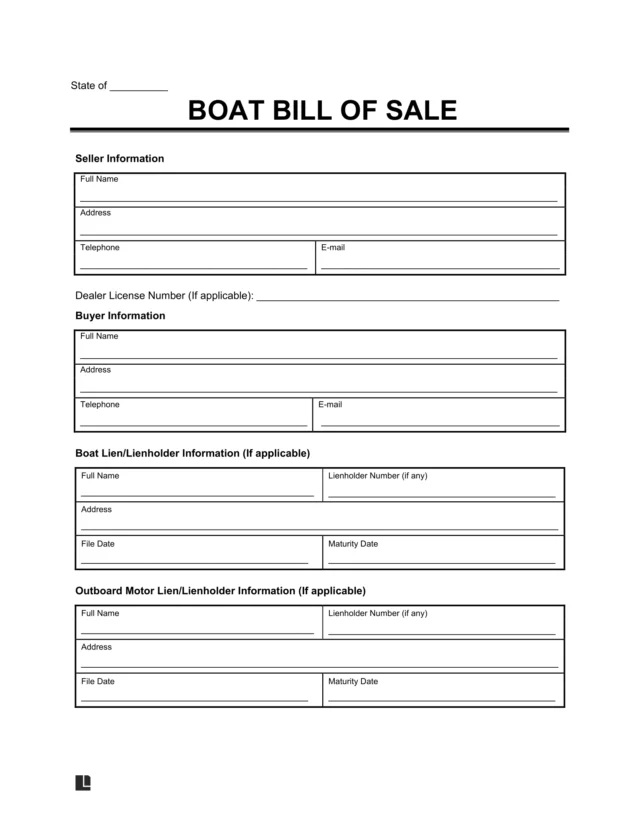
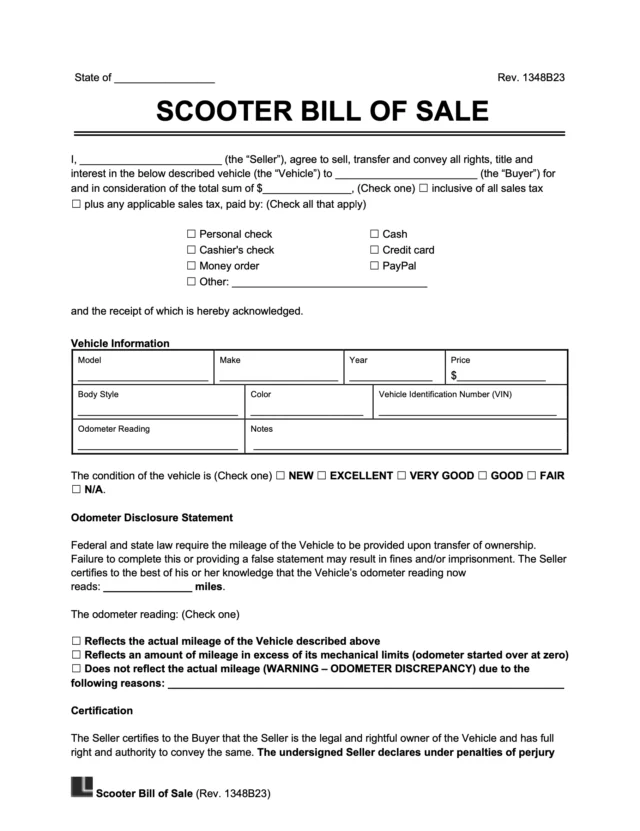
A jet ski bill of sale, also known as a personal watercraft bill of sale, records the transaction details when a jet ski is sold from one party to another. Similar to a vehicle bill of sale, a bill of sale for a jet ski provides proof of ownership transfer from the seller to the buyer, along with the sale price and other information specific to the jet ski.
Buyers need a jet ski bill of sale to prove the purchase happened and register the vehicle, as many areas require the registration of motorized vessels. Sellers need a jet ski bill of sale to prove they are no longer responsible for the watercraft. This document shows that the seller has transferred ownership and is no longer responsible for the jet ski or any future claims related to it.
How to Write a Bill of Sale for a Jet Ski and Trailer
A jet ski bill of sale should contain the details of your specific transaction to ensure accuracy and create a clear record. Here are the key elements to include when writing your bill of sale for a jet ski:
- Buyer’s and seller’s names and addresses
- Selling price
- Date of sale
- Payment method
- Warranty
It’s important for the seller to specify everything they know about the jet ski. This way, they can create transparency and communicate to the buyer exactly what they’re getting from the sale. Ensure to record this information about your jet ski on the bill of sale:
- Hull identification number or serial number
- Make and model
- Model year
- Manufacturer
- Color and distinctive markings
- Condition (including existing damage)
- Horsepower
- Seating capacity
- Weight capacity
- Vehicle weight
- Hull design
- Safety features
- Rider aid functions
- Cruise control features
- Proof of inspection
- Trim level
- Odometer reading
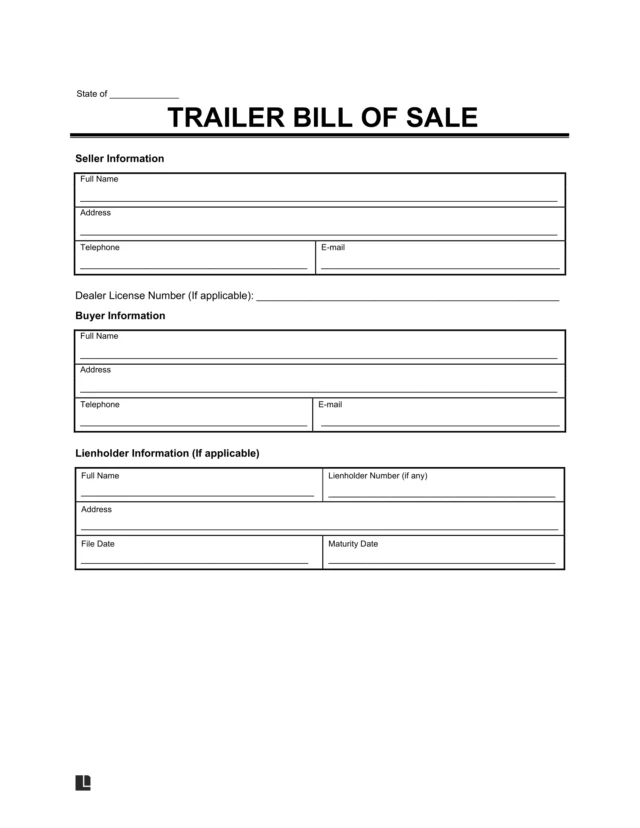
Not every jet ski sale comes with a trailer, but some do. If you need to add a trailer to your jet ski bill of sale, Legal Templates’s bill of sale for a jet ski and trailer lets you do so. You can specify that there’s a trailer and include pertinent details, such as the trailer’s condition, VIN, and identifying information.
Once you complete your jet ski bill of sale, the seller and buyer should sign it. Depending on where the sale takes place, you may need to get your jet ski bill of sale notarized.
While it may not be required for basic transactions, notarization is recommended for high-value sales and out-of-state transfers. Notary acknowledgment can prevent disputes over the vessel’s ownership and minimize issues with the title transfer and registration.
Jet Ski Bill of Sale Sample
View an example jet ski bill of sale form to see what key elements to include. Then, use Legal Templates’s guided form to input your information and create your own. Download the final document as a PDF or Word file for your records.
How to Sell a Jet Ski
Explore the steps involved in selling a jet ski so you can be prepared, stay organized, and create a proper bill of sale that protects you and the buyer.
Step 1 – Clean It and Get It Serviced
While you can sell your jet ski as-is, a well-maintained jet ski can command a better price. Wash and detail your jet ski to make it look its best. To ensure optimal performance, consider having your jet ski serviced by a qualified technician to address any mechanical issues. Request copies of all maintenance and service documentation to keep as proof.
Step 2 – Gather Necessary Documents
Before attempting to sell your jet ski, ensure you have all the necessary documents to facilitate the sale:
- Proof of ownership: Such as the title or previous bill of sale.
- Your identification: A valid government-issued ID for identification purposes.
- Insurance: Proof of current jet ski insurance, if applicable.
- Hull Identification Number (HIN): This unique number identifies your jet ski.
- Registration certificate: Proof of current registration.
Step 3 – Decide on a Listing Price
Use an authoritative source like J.D. Power’s personal watercraft guide to determine the book value of your jet ski and decide on a fair and reasonable listing price.
In some states, taxes and fees on watercraft are calculated using their fair market value or assessed value instead of the purchase price. Since each state’s rules differ, you should always check local laws to find out how the value is determined for tax or registration purposes.
Step 4 – List Your Jet Ski
List your jet ski for sale on a variety of local and national sale sites, as well as watercraft-specific websites. Check out a few options below:
- PWC Trader
- Boat Trader
- Sell Us Your Boat
- Bert’s Mega Mall
- Craigslist
- Facebook Marketplace
- eBay
Ensure your listing contains:
- High-quality pictures of all parts of the jet ski, including any flaws
- A complete description of the jet ski
- Your desired selling price
- Disclaimers about defective parts
- Information on how to contact you
Step 5 – Negotiate With Potential Buyers
Respond promptly to inquiries about your jet ski sale. Be prepared to discuss and negotiate the price, but don’t feel pressured to accept the first offer.
If you and a buyer come to an understanding, thoroughly document the terms of the agreement in writing to avoid misunderstandings. If the buyer requires financing or a payment plan, record any payment arrangements with a promissory note, loan agreement, IOU, or another legally binding contract.
Step 6 – Complete the Sale
Once you and the buyer agree on the terms, proceed to complete the sale. Use a detailed jet ski bill of sale that includes all necessary information about the transaction.
The bill of sale becomes a binding contract once both parties sign it. Some states may require the signatures to be notarized for registration and ownership transfers, so check your local requirements.
Ensure that you receive payment in a secure and agreed-upon manner before handing over the jet ski.
Step 7 – Transfer the Title
Transfer the jet ski’s title to the new owner according to your state’s requirements. This typically includes signing the title over to the buyer and submitting any required forms to your state’s motor-vehicle or boating authority. Be sure to follow any of your state’s laws regarding notary requirements in order to properly complete the title transfer.
Some states also require the seller to notify the agency of the sale to remove your name from the records and release you from future liability.