What Is a Request for Proposal (RFP)?
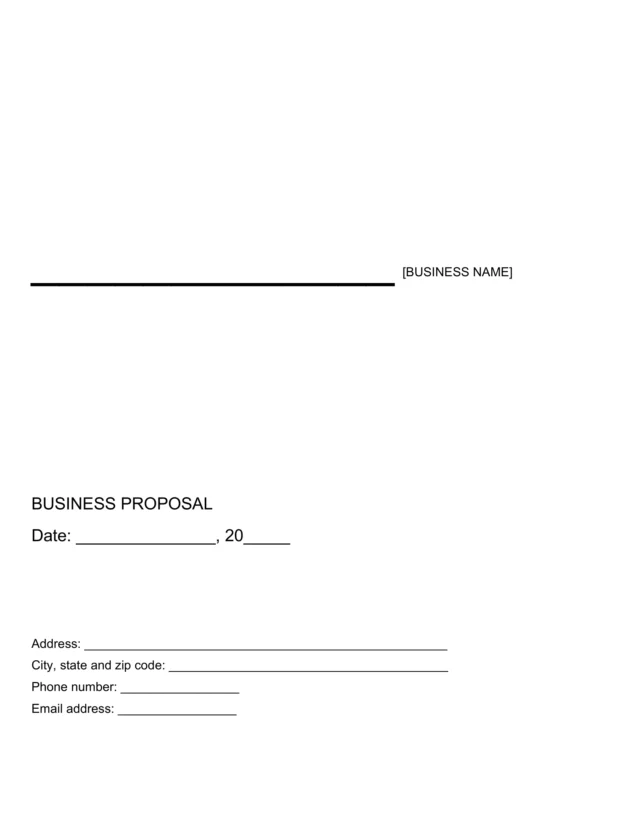
A request for proposal is a document organizations use to invite vendors to bid on a project or service. It outlines the scope, timeline, and how to submit a proposal. RFPs work best for major purchases or service contracts where more than price matters. They create a clear, fair way to compare vendors.
Request for Proposal Example
MIT and The Coca-Cola Company launched an RFP to fund research into better sugar alternatives. The Grand Challenge plans to back at least two projects focused on taste perception, advanced screening tools, chemistry, and AI. The goal is to understand what makes sweetness work and how to replicate it. We’re still waiting on the results.
Benefits of Issuing an RFP:
- You get more bids
- Proposals are stronger
- The process is more organized
- Everyone knows what’s expected
How to Write a Request for Proposal
A request for proposal works best when vendors understand the project before they start pricing it. Clear scope, firm timelines, and simple submission rules make responses easier to compare. Here’s how to write an RFP that gets results.
1. Start With Your Company Info
Add your company name, address, and contact details, then build from there. Include your website and a short summary of what your business does. This gives vendors context and helps them tailor their response to your RFP.
3. Give the Project a Name and Purpose
Introduce the project by name and explain why it’s needed. A clear summary helps vendors quickly understand your goal. When the purpose is easy to understand, they can focus on offering the right solution.
4. Outline the Scope
Describe what the project involves. List what the vendor needs to do, including key deliverables, timelines, and objectives. Be specific, and call out anything that’s not part of the work.
Nearly half of projects experience scope creep. Just 57% stay within budget, and only 51% finish on time. The more detail you provide about the project, the easier it is for vendors to plan properly and deliver what you need.
5. Mention the Project Location and Duration
If the work takes place onsite, include the location. Share the expected start and end dates, along with key phases or milestones. For example, you might say the project will run from September 2025 to March 2026 at your New York office, with planning in October and a mid-project review in January. This lets vendors gauge the time and effort required.
6. Ask for References
Request a few relevant references to confirm experience. You can also ask for case studies or short summaries of similar projects. These details give you a clearer picture of each vendor’s track record.
7. Add a Contact Person
Assign one point of contact for all questions and submissions. Include their name, phone number, and email. This keeps communication consistent and avoids confusion during the process.
8. Explain How to Submit Proposals
Let vendors know how to send in their proposals. Specify the method, such as email or a submission portal, and include the required format, like PDF or Word. Mention if you expect digital signatures or specific file naming.
9. Include Key Dates
Share the timeline so vendors know what to expect:
- When the RFP goes out.
- When proposals are due.
- When the review starts and ends.
- When you’ll select a vendor.
- When you’ll notify the others.
10. Finalize the Agreement
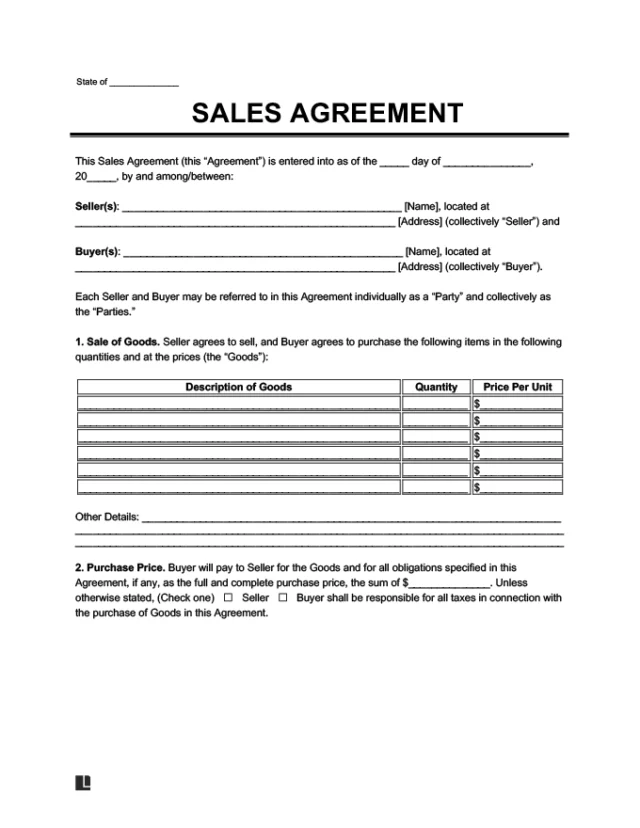
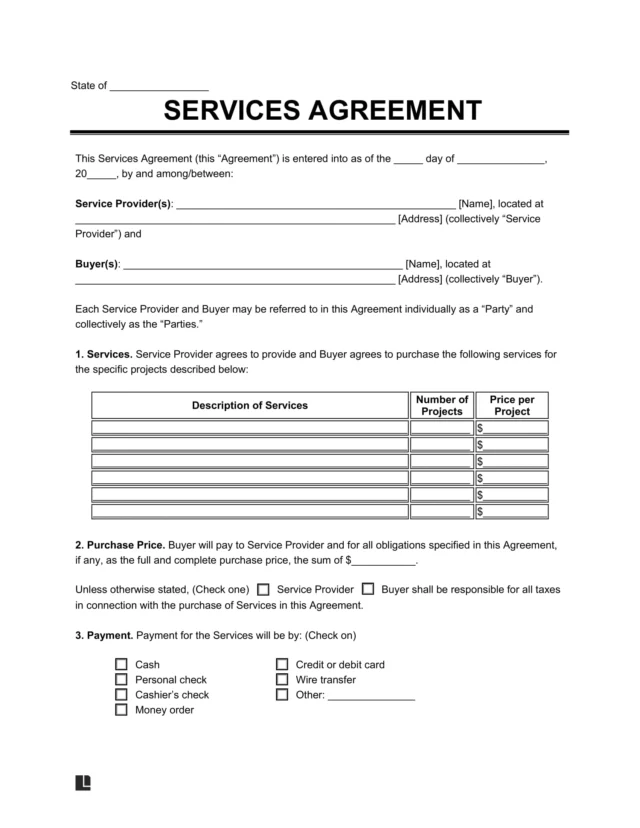
After selecting a vendor, make sure to put the terms in writing. This includes scope, payment, deadlines, and responsibilities. If you’re hiring subcontractors, use our construction subcontractor agreement to clarify expectations and avoid issues down the line.
Most RFPs move fast. Research shows many are turned around in three to five days, and nearly 40% are completed in under 48 hours. With that pace, a confusing or incomplete RFP can cause delays and lead to weaker proposals. A clear structure makes the process easier for everyone involved.
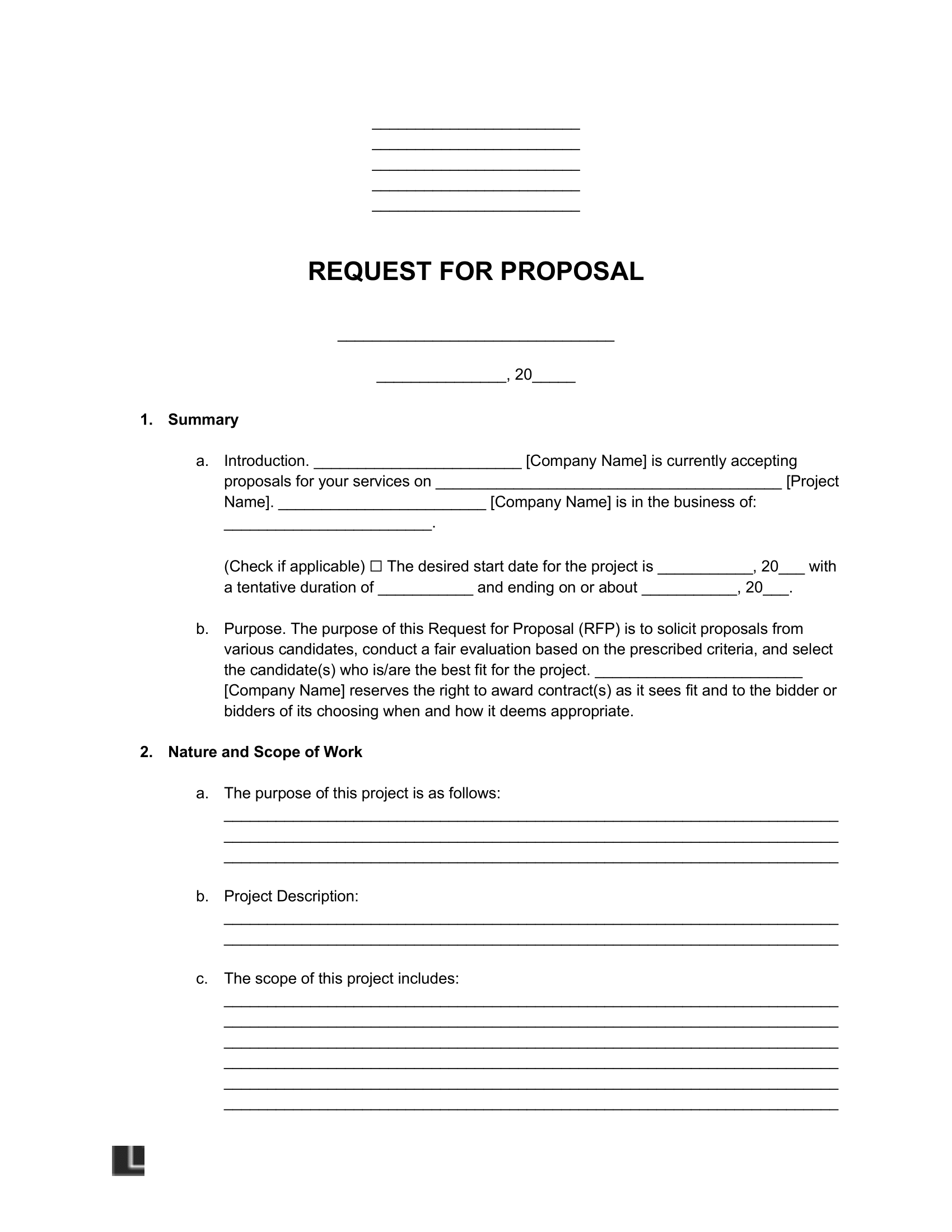
Request for Proposal Sample
Review a sample RFP first. Then customize and download the free template as a PDF or Word file.